Finding Your Balance: The Gas Pedal and the Brake of Your Nervous System

In the modern world, our lives are often defined by a constant state of motion. From the moment the alarm clock rings to the final moments before we turn out the lights, we are navigating a sea of responsibilities, digital notifications, and personal commitments. This pace of life is something many families in our community experience daily. While we often focus on our external to-do lists, there is an internal system working tirelessly behind the scenes to help us navigate these demands: the nervous system. Understanding how your body transitions between states of activity and states of rest is a fundamental part of a wellness-oriented lifestyle. By learning about the two main branches of your autonomic nervous system—often described as the gas pedal and the brake—you can gain a deeper awareness of how your body responds to the world around you. This awareness is a powerful tool for anyone looking to support their overall physical function and daily comfort. Why Understanding Your Internal Rhythm Matters The way we experience our daily lives is closely tied to our internal state. When we feel overwhelmed by a busy schedule or a long commute through Surrey or Langley, our body naturally shifts into a state of high alertness. Conversely, when we are relaxing with family or preparing for sleep, our body seeks a state of calm. The nervous system acts as the master coordinator for these transitions. It doesn’t just react to the big moments; it is constantly fine-tuning our internal environment based on the signals it receives from our surroundings and our own physical habits. When we understand this rhythm, we stop seeing our body’s reactions as random and start seeing them as a sophisticated system designed to help us adapt and maintain equilibrium. The Two Modes of Operation To keep things simple, think of your nervous system as having two primary modes. Both are essential, and neither is inherently better than the other. The goal is not to stay in one mode forever, but to have the flexibility to move between them as the situation requires. The Gas Pedal (Sympathetic State): This mode prepares the body for action, focus, and movement. It is what gets us through a challenging workday or helps us react quickly while driving. The Brake (Parasympathetic State): This mode is focused on recovery, grounding, and maintaining the body’s internal resources. It is often referred to as the state of “rest and digest.” The Gas Pedal: Living in the Sympathetic State The sympathetic branch of the nervous system is responsible for mobilizing energy. In our everyday lives, it is the “get things done” system. It prioritizes immediate external demands, ensuring we have the focus and physical readiness to meet challenges. In a modern context, the gas pedal is often pushed down by things like: Tight deadlines and overflowing inboxes. The physical demands of a long day on your feet. Mental multitasking and constant digital connectivity. Environmental factors like loud noises or heavy traffic. While this state is vital for productivity and safety, living with the gas pedal floored for extended periods can lead to a feeling of being constantly “on.” You might notice that your breathing becomes shallower, your posture becomes more guarded, or it becomes harder to switch off at the end of the day. Supporting the body means finding ways to let that pedal up when the “race” is over. The Brake: Embracing the Parasympathetic State The parasympathetic branch is the counterpart to the sympathetic state. This is the “brake” that allows the body to slow down, settle, and focus on internal maintenance. This state is essential for overall wellness because it is when the body focuses on rest and the replenishment of energy stores. When the brake is engaged, the body feels a sense of ease. This is the state where we feel most connected to ourselves and our surroundings. It is characterized by deeper, more rhythmic breathing and a general sense of physical openness. Supporting this state is a key part of a holistic lifestyle, as it allows the body to move away from the high-tension demands of the day and toward a place of calm and natural recovery. Actionable Tips to Support Your Nervous System While we cannot always control the stressors of life, we can adopt daily habits that encourage a healthy transition between the gas pedal and the brake. Here are several practical, gentle ways to support your nervous system and overall body awareness: Mindful Breathing Breaks One of the most direct ways to signal to your body that it is time to shift into a “brake” state is through the breath. Several times a day, take three minutes to focus on slow, rhythmic breathing. Try to make your exhalations slightly longer than your inhalations. This simple practice can be done anywhere—at your desk, in your car, or while making dinner. Physical Grounding and Posture Our physical posture sends constant feedback to our nervous system. When we are hunched over screens, our body can interpret that physical tension as a reason to stay in a “gas pedal” state. Make it a habit to roll your shoulders back, lengthen your spine, and plant your feet firmly on the floor. This open posture encourages a sense of physical ease and better body awareness. Creating Digital Boundaries The constant influx of information keeps the nervous system in a state of hyper-vigilance. Try setting a “digital sunset” where you put away electronic devices at least an hour before bed. This reduction in information input helps your body prepare for the rest it needs. Gentle Movement Movement doesn’t always have to be high-intensity. Gentle activities like a slow walk through a local park or light stretching in your living room can help release physical tension. Focus on the sensation of movement rather than the exertion itself to help support a calm internal state. Prioritizing Hydration and Mindfulness Supporting the body’s internal environment provides a stable foundation for the nervous system. Drinking enough water and
Understanding the Nervous System: Your Body’s Master Controller
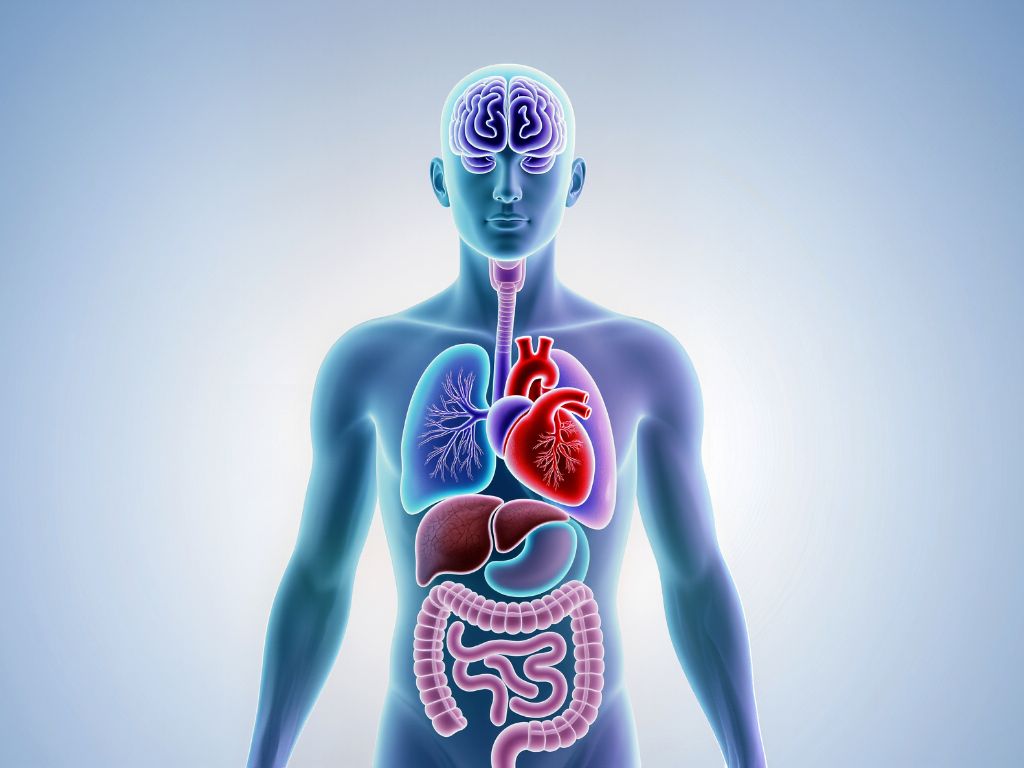
In the hustle and bustle of our daily lives, we often think about our health in pieces. We think about how our muscles feel after a workout, how much sleep we got, or what we ate for lunch. However, there is one central system that coordinates every single one of those experiences: the nervous system. Often referred to as the master controller of the body, the nervous system is the intricate communication network that allows you to interact with the world around you and keeps your body functioning behind the scenes. Whether you are navigating a busy workday in Surrey or spending a quiet weekend at a park in Langley, your nervous system is constantly processing information. It is the silent conductor of a complex symphony, ensuring that every part of your body is in sync. When we talk about wellness and longevity, understanding this system is the first step toward supporting a vibrant, active lifestyle. Why the Nervous System Matters to Your Daily Life The nervous system is not just something found in a biology textbook; it is the essence of how you experience life. It consists of the brain, the spinal cord, and a massive network of nerves that reach every corner of your body. This system is responsible for everything from the way you perceive a cool breeze to the way your heart maintains its rhythm while you sleep. Because the nervous system is the primary way the brain communicates with the rest of the body, its state of balance can influence your overall sense of well-being. When the system is able to process information clearly and efficiently, you may find it easier to adapt to the stressors of modern life. This is why many people focus on “nervous system regulation” as a cornerstone of their self-care routines. By supporting the master controller, you are supporting the foundation of your entire physical experience. The Connection Between the Spine and the Brain A common phrase used in wellness circles is that spine health is brain health. To understand why, we have to look at the anatomy of the nervous system. The spinal cord, which acts as the main highway for information traveling to and from the brain, is housed and protected by the vertebral column, or the spine. The relationship between the spine and the brain is intimate. The spine is not just a structural support for standing upright; it is a protective gateway for the most delicate part of our communication system. When the spine is moving well and maintaining proper alignment, it provides a stable environment for the nervous system to function. Think of the brain as a high-powered computer and the nerves as the cables. If the housing for those cables is compromised or restricted, it can affect how the signals flow. By focusing on spinal movement and integrity, we are essentially supporting the clarity of the signals being sent by the brain. A healthy, mobile spine allows for better body awareness and helps the brain accurately perceive what is happening in the environment. Exploring the Role of Daily Habits Maintaining a healthy nervous system involves more than just understanding the anatomy; it requires intentional lifestyle choices. Our modern world often keeps us in a state of high alert. From digital notifications to traffic during a commute in Surrey or Langley, our systems are frequently bombarded with input. When the nervous system is constantly reacting to external demands, it can become stuck in a cycle of tension. Supporting this system means finding ways to encourage a state of ease. This is where holistic habits come into play. Simple, repetitive actions can help signal to the brain that the body is safe and supported, allowing the nervous system to shift from a reactive state to a restorative one. Actionable Tips for Nervous System Support Supporting your nervous system doesn’t have to be complicated. Small, daily shifts can make a significant difference in how your body processes stress and maintains its internal balance. Here are a few practical strategies to incorporate into your routine: Prioritize Conscious Movement Movement is food for the brain. When you move your joints through their full range of motion, you send a flood of information to the brain about where your body is in space. This is called proprioception. Gentle activities like walking, swimming, or stretching help keep the communication lines open and ensure that the spine remains mobile and resilient. Engaging in consistent movement helps the nervous system stay “calibrated” to your physical environment. Optimize Your Workspace Ergonomics Many of us spend hours at a desk or looking at a screen. This repetitive posture can create physical tension that the nervous system must constantly manage. Ensure your monitor is at eye level, your feet are flat on the floor, and you take “micro-breaks” every thirty minutes to reset your posture and breathe deeply. This reduces the mechanical load the nervous system has to process throughout the day. Practice Mindful Breathing Your breath is one of the few parts of your nervous system that you can control consciously. Deep, diaphragmatic breathing helps shift the body into a more relaxed state. Try taking five slow breaths into your belly before a meal or during a stressful moment to help ground your system. This simple habit signals to the brain that it is okay to move out of “fight or flight” and into a state of growth and repair. Hydrate for Cellular Communication The nervous system relies on electrolytes and water to send electrical signals. Staying well-hydrated ensures that these signals can travel efficiently between your brain and your limbs. Aim for consistent water intake throughout the day to support the chemical balance necessary for optimal brain-to-body communication. Establish a Calming Evening Routine The nervous system thrives on rhythm and predictability. Creating a wind-down routine—such as dimming the lights, avoiding blue-light screens, or reading a physical book—helps prepare the brain for restorative rest. Quality sleep is when the nervous system performs its most
Cultivating Wellness: Supporting Your Body and Nervous System Through the Holidays and Colder Months

The holiday season and the transition into colder weather bring a unique set of demands on our bodies and nervous systems. From navigating packed social calendars and travel to adapting to less daylight and colder temperatures, this time of year often translates into elevated stress and changes in our movement and posture habits. Instead of simply pushing through the seasonal rush, this is a perfect opportunity to refocus on holistic lifestyle choices that genuinely support your physical function and overall comfort. Why This Topic Matters: Connecting Seasonal Shifts to Daily Function The shift in seasons is about more than just changing temperatures; it impacts our daily routine and how we interact with the world. During the colder months, we naturally spend more time indoors, which can lead to extended periods of sitting, less time moving, and a subtle shift toward a more sedentary posture—think of hunching over a laptop or curling up on the couch for long periods. The holidays layer on additional factors like hurried shopping trips, different sleeping environments, and the emotional demands of balancing family and work. All of these lifestyle elements have an influence on your nervous system support and how your body perceives and adapts to the world around it. Your nervous system is the main communication highway between your brain and body, managing everything from movement to how you adapt to stress. When lifestyle habits change, such as reduced mobility or increased mental load, supporting the body’s natural function becomes even more meaningful for maintaining overall daily comfort and resilience. Prioritizing wellness habits during this busy time is an act of self-care that allows you to more fully engage with your family and enjoy the season. Educational Content: Understanding Seasonal Lifestyle Demands The core challenge of the holiday season and colder months lies in how our routines change, often without us noticing the cumulative effect. The combination of increased mental stress and decreased physical movement can create a pattern that challenges our natural posture and alignment. Consider the physical demands: Holiday Prep and Travel: Lifting heavy bags, sitting in vehicles or planes for extended periods, or sleeping in an unfamiliar bed. These activities place new or unusual demands on your structural balance and mobility and movement. The Sedentary Trap: Colder weather often encourages us to decrease outdoor activity and exercise. Extended hours spent static or in a fixed posture—like working from home, watching movies, or reading—can subtly reduce your body’s natural capacity for fluid motion. Stress and Tension: The emotional and financial pressures of the holidays are a significant source of stress and nervous system overload. When the nervous system is under sustained stress, it can influence muscular tension and overall body awareness. Adopting a mindset of holistic lifestyle support means recognizing these challenges and making intentional, small adjustments to your daily life. It’s about building awareness of how your body is moving, sitting, and resting, and taking simple, proactive steps to nurture your physical foundation. Actionable Tips for Seasonal Body Support Integrating small, consistent practices into your routine is the most effective way to support your body and nervous system during the winter and holiday rush. These gentle tips reinforce the Actionable part of the MAP framework, giving you practical ways to maintain comfort and function. Mindful Movement Breaks (Every 30 Minutes): When working, reading, or watching television, set a timer. Every 30 minutes, stand up, take 10 deep breaths, and gently roll your shoulders back and down. This simple practice helps break the pattern of prolonged static posture and encourages subtle changes in workplace ergonomics. Hydration Check: The dry air indoors during winter increases the need for consistent hydration. Keep a water bottle handy and aim for small sips throughout the day. Proper hydration supports cellular function and overall everyday body support. Active Sitting Strategies: Instead of slumping, try sitting closer to the edge of your chair with your feet flat on the floor. Imagine a string gently lifting the crown of your head toward the ceiling. When relaxing, use a small pillow for lumbar support. This doesn’t mean sitting perfectly all the time, but rather adopting a sense of body awareness in different positions. Gentle Neck and Shoulder Stretching: “Tech neck” posture is common when looking down at screens. Gently drop your ear toward your shoulder (without forcing), hold for a few seconds, and then repeat on the other side. Do this once or twice a day to encourage posture and alignment. Prioritize Sleep: The holidays can tempt us to compromise on sleep, yet rest is when your body and nervous system do their most important recovery work. Aim for a consistent bedtime and create a relaxing, dark environment to encourage quality sleep. This is foundational for all wellness habits. Schedule in Self-Care: Whether it’s a quiet walk in nature, a few minutes of calm breathing, or listening to music, intentionally carving out time for yourself is essential for self-care for busy families and managing your stress + nervous system load. How Chiropractic Fits In At FFC, we use gentle, neurologically-focused chiropractic techniques to help support overall function and awareness of the body. Many people choose ongoing chiropractic care as part of their wellness lifestyle. We focus on enhancing the communication pathways of the nervous system and supporting your body’s natural capacity for mobility and movement and adaptation. Our approach is non-invasive and centered on encouraging your inherent ability to maintain better posture and alignment and experience greater everyday body support. We offer the Torque Release Technique (overview only), which is known for its gentle nature and focus on the nervous system. Local SEO Call to Action If you’re seeking a chiropractor in Surrey or a chiropractor in Langley, we’d be happy to support you on your wellness journey. Our team at Foundations Family Chiropractic is here to answer your questions and help you make choices that support your holistic lifestyle throughout the holiday season and beyond. Get in touch with us through our social media pages: Facebook &