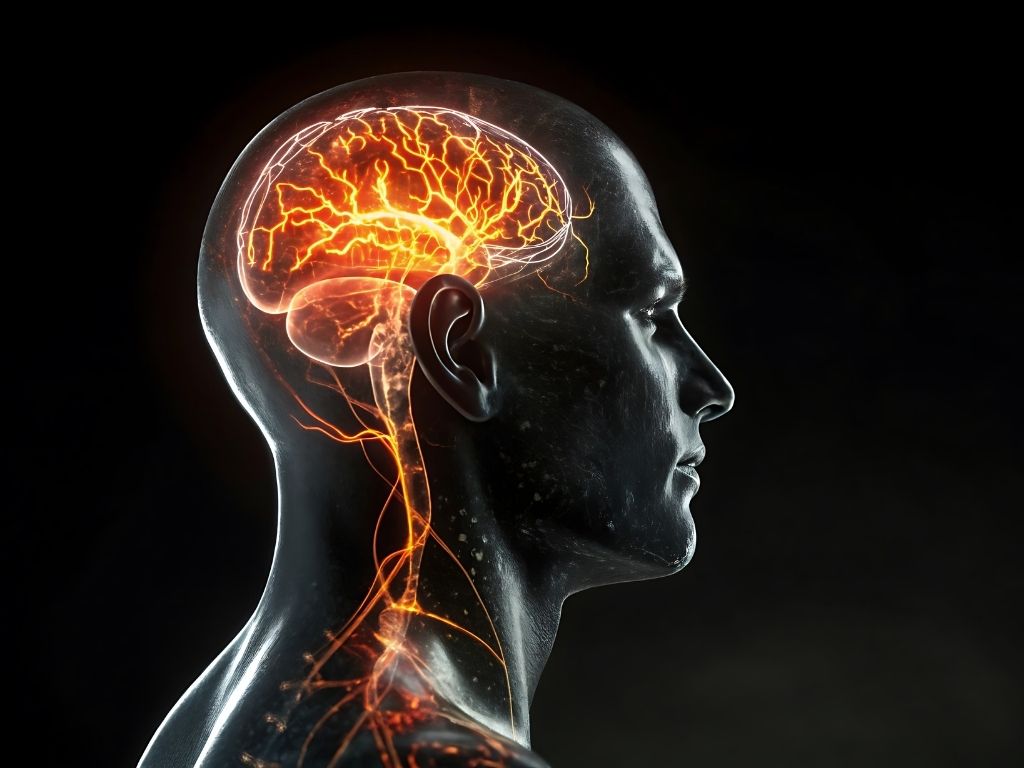
In the modern world, our lives are often defined by a constant state of motion. From the moment the alarm clock rings to the final moments before we turn out the lights, we are navigating a sea of responsibilities, digital notifications, and personal commitments. This pace of life is something many families in our community experience daily. While we often focus on our external to-do lists, there is an internal system working tirelessly behind the scenes to help us navigate these demands: the nervous system.
Understanding how your body transitions between states of activity and states of rest is a fundamental part of a wellness-oriented lifestyle. By learning about the two main branches of your autonomic nervous system—often described as the gas pedal and the brake—you can gain a deeper awareness of how your body responds to the world around you. This awareness is a powerful tool for anyone looking to support their overall physical function and daily comfort.
Why Understanding Your Internal Rhythm Matters
The way we experience our daily lives is closely tied to our internal state. When we feel overwhelmed by a busy schedule or a long commute through Surrey or Langley, our body naturally shifts into a state of high alertness. Conversely, when we are relaxing with family or preparing for sleep, our body seeks a state of calm.
The nervous system acts as the master coordinator for these transitions. It doesn’t just react to the big moments; it is constantly fine-tuning our internal environment based on the signals it receives from our surroundings and our own physical habits. When we understand this rhythm, we stop seeing our body’s reactions as random and start seeing them as a sophisticated system designed to help us adapt and maintain equilibrium.
The Two Modes of Operation
To keep things simple, think of your nervous system as having two primary modes. Both are essential, and neither is inherently better than the other. The goal is not to stay in one mode forever, but to have the flexibility to move between them as the situation requires.
The Gas Pedal (Sympathetic State): This mode prepares the body for action, focus, and movement. It is what gets us through a challenging workday or helps us react quickly while driving.
The Brake (Parasympathetic State): This mode is focused on recovery, grounding, and maintaining the body’s internal resources. It is often referred to as the state of “rest and digest.”
The Gas Pedal: Living in the Sympathetic State
The sympathetic branch of the nervous system is responsible for mobilizing energy. In our everyday lives, it is the “get things done” system. It prioritizes immediate external demands, ensuring we have the focus and physical readiness to meet challenges.
In a modern context, the gas pedal is often pushed down by things like:
- Tight deadlines and overflowing inboxes.
- The physical demands of a long day on your feet.
- Mental multitasking and constant digital connectivity.
- Environmental factors like loud noises or heavy traffic.
While this state is vital for productivity and safety, living with the gas pedal floored for extended periods can lead to a feeling of being constantly “on.” You might notice that your breathing becomes shallower, your posture becomes more guarded, or it becomes harder to switch off at the end of the day. Supporting the body means finding ways to let that pedal up when the “race” is over.
The Brake: Embracing the Parasympathetic State
The parasympathetic branch is the counterpart to the sympathetic state. This is the “brake” that allows the body to slow down, settle, and focus on internal maintenance. This state is essential for overall wellness because it is when the body focuses on rest and the replenishment of energy stores.
When the brake is engaged, the body feels a sense of ease. This is the state where we feel most connected to ourselves and our surroundings. It is characterized by deeper, more rhythmic breathing and a general sense of physical openness. Supporting this state is a key part of a holistic lifestyle, as it allows the body to move away from the high-tension demands of the day and toward a place of calm and natural recovery.
Actionable Tips to Support Your Nervous System
While we cannot always control the stressors of life, we can adopt daily habits that encourage a healthy transition between the gas pedal and the brake. Here are several practical, gentle ways to support your nervous system and overall body awareness:
- Mindful Breathing Breaks
One of the most direct ways to signal to your body that it is time to shift into a “brake” state is through the breath. Several times a day, take three minutes to focus on slow, rhythmic breathing. Try to make your exhalations slightly longer than your inhalations. This simple practice can be done anywhere—at your desk, in your car, or while making dinner.
- Physical Grounding and Posture
Our physical posture sends constant feedback to our nervous system. When we are hunched over screens, our body can interpret that physical tension as a reason to stay in a “gas pedal” state. Make it a habit to roll your shoulders back, lengthen your spine, and plant your feet firmly on the floor. This open posture encourages a sense of physical ease and better body awareness.
- Creating Digital Boundaries
The constant influx of information keeps the nervous system in a state of hyper-vigilance. Try setting a “digital sunset” where you put away electronic devices at least an hour before bed. This reduction in information input helps your body prepare for the rest it needs.
- Gentle Movement
Movement doesn’t always have to be high-intensity. Gentle activities like a slow walk through a local park or light stretching in your living room can help release physical tension. Focus on the sensation of movement rather than the exertion itself to help support a calm internal state.
- Prioritizing Hydration and Mindfulness
Supporting the body’s internal environment provides a stable foundation for the nervous system. Drinking enough water and taking short mindful breaks throughout the day helps ensure that your body has the resources and the “space” it needs to function smoothly.
How Chiropractic Fits Into a Wellness Lifestyle
At Foundations Family Chiropractic, we recognize that the nervous system is central to how you experience life. Our approach focuses on the relationship between the spine and the nervous system’s ability to communicate effectively with the rest of the body.
We use gentle, neurologically-focused chiropractic techniques, such as the Torque Release Technique, to help support overall function and awareness of the body. This approach does not involve forceful movements; instead, it utilizes a precise, gentle approach to encourage the body’s natural ability to find balance. Many people choose ongoing chiropractic care as part of their wellness lifestyle, finding that it complements their other healthy habits like good nutrition, movement, and ergonomics.
By focusing on the nervous system, we aim to help you navigate the transitions between the “gas pedal” and the “brake” with greater ease, supporting your physical comfort and daily mobility as you go about your life in our vibrant community.
Connect With Our Community
If you’re seeking a Surrey chiropractor or a Langley chiropractor, we’d be happy to support you on your wellness journey. Our team is dedicated to providing a welcoming environment where families can learn more about supporting their health through gentle, non-invasive care.
If you’re looking to learn more about gentle, neurologically-focused chiropractic care, our team at Foundations Family Chiropractic is here to answer your questions. We invite you to explore how prioritizing your nervous system can be a foundational part of your family’s wellness routine.
Get in touch with us through our social media pages: Facebook & Instagram.