Foundations Family Chiropractic: 5 Things Morning Stiffness Tells You About Your Body

Many people in Surrey and Langley wake up feeling a bit like a rusty hinge. You reach for the alarm clock and notice a slight resistance in your shoulders, or you swing your legs out of bed and feel a familiar tightness in your lower back. Often, after a hot shower or a few minutes of moving around the kitchen to make coffee, that feeling dissipates. Because the discomfort vanishes once you are upright and active, it is easy to dismiss it as just a normal part of waking up or an inevitable sign of getting older. However, how we feel in those first ten minutes of the day provides a unique window into our overall physical function. While we often wait for significant discomfort before paying attention to our bodies, subtle cues like morning stiffness are worth exploring. Understanding the difference between temporary tightness and your body’s internal communication system can help you make more informed choices about your daily wellness habits. Click here to Book Your Appointment Now]! Why This Topic Matters for Your Daily Routine Movement is the natural state of the human body. When we are functioning at our best, transitions from rest to activity should be relatively fluid. When stiffness becomes a consistent part of your morning ritual, it suggests that the body is working harder than necessary to maintain its balance and alignment during the night. Stiffness is often a precursor to more noticeable concerns. Think of it as a “yellow light” on your dashboard. It isn’t necessarily a breakdown, but it is an invitation to check under the hood. By addressing the way your nervous system and physical structure interact before you reach a state of significant discomfort, you can support a much more proactive and enjoyable lifestyle. 1. Your Posture During Sleep Impacts Your Nervous System We spend approximately one-third of our lives asleep. If your body is held in a restricted or awkward position for eight hours, your nervous system remains in a state of constant feedback, trying to manage that strain. This can lead to a phenomenon where the tissues feel “set” in a specific pattern by the time you wake up. Instead of viewing sleep as a passive state, think of it as a time for neurological recovery. If your pillow height is incorrect or your mattress doesn’t support the natural curves of your frame, your body spends the night “guarding” rather than relaxing. This guarding is exactly what you feel as that initial morning rigidity. 2. Physical Fluidity is Linked to Movement Habits The old saying “motion is lotion” holds a lot of truth. Throughout the day, our movement helps circulate fluid and maintain the elasticity of the tissues surrounding our joints. When we sleep, this movement stops. For a body that is functioning optimally, this pause is easily overcome. However, if your daily life involves long periods of sitting at a desk in Surrey or commuting through Langley, your body may already be under a level of “static load.” Morning stiffness is often the accumulation of the previous day’s lack of varied movement. It is a sign that your body is seeking more frequent and diverse motion during your waking hours to stay supple during your resting hours. 3. The Role of Stress and Body Awareness Our nervous system does not distinguish between physical stress and mental stress when it comes to muscle tension. If you are heading to bed with a mind full of tomorrow’s “to-do” list, your body often reflects that internal state. Many people clench their jaws or hike their shoulders toward their ears while they sleep without ever realizing it. Waking up stiff can be a signal that your nervous system is stuck in a “high alert” phase. When the body stays in a sympathetic (fight or flight) state, it doesn’t enter the deep, restorative parasympathetic state required for true relaxation. Cultivating better body awareness can help you identify where you are holding tension before you even close your eyes. 4. Hydration and Tissue Elasticity On a purely structural level, your tissues require hydration to slide and glide over one another. During the night, we naturally become slightly dehydrated. If your baseline hydration is low, the connective tissues can become “tackier,” making movement feel restricted when you first try to get out of bed. While this stiffness often “goes away” once you start moving and have a glass of water, the fact that it occurred suggests that your tissues are operating at the edge of their functional capacity. Improving your hydration and support habits can help ensure that your body has the resources it needs to remain mobile, even after hours of stillness. 5. It is an Invitation to Check Your Alignment Stiffness is frequently a sign of compensation. If one part of your body is not moving efficiently, another part has to pick up the slack. Over time, the nervous system creates a “map” of these compensations. Morning is the time when these maps are most apparent because you haven’t yet had the chance to “walk off” the imbalances. Paying attention to where you feel stiff can tell you a lot about your ergonomics and alignment. Is it always the same side? Is it always the same spot? These patterns are valuable data points for anyone interested in long-term wellness and mobility. Actionable Tips for a More Fluid Morning To help support your body and nervous system, try implementing these gentle habits into your daily life: The “Slow Start” Stretch: Before even getting out of bed, gently hug your knees to your chest or perform slow ankle circles. This signals to your nervous system that it is time to transition from rest to motion. Evaluate Your Setup: Ensure your pillow supports the natural curve of your neck without tilting your head too far forward or back. Hydrate Early: Drink a full glass of water within the first ten minutes of waking to help rehydrate the tissues that have been still all
Foundations Family Chiropractic: 5 Ways Better Posture Supports Natural Breathing and Vitality

The way we carry ourselves throughout the day does more than just influence how we look in the mirror. Posture is a fundamental component of how our bodies function on a daily basis. For many residents in Surrey and Langley, daily life involves long hours sitting at desks, commuting, or looking down at handheld devices. These repetitive positions can lead to a common physical shift known as forward head posture. While it might seem like a simple cosmetic concern, the alignment of your head and shoulders has a direct relationship with your ability to take a full, deep breath. At Foundations Family Chiropractic, we believe that understanding the connection between your physical structure and your internal function is key to a holistic lifestyle. When the body is in a state of ease, it can better adapt to the stresses of a busy life. Click here to Book Your Appointment Now]! Why the Connection Between Posture and Breath Matters In a neutral, upright position, your rib cage is designed to expand freely in all directions. This expansion allows the primary muscle of respiration, the diaphragm, to move downward effectively, creating space for the lungs to fill. However, when the head shifts forward and the shoulders round inward, the mechanics of the upper body change. This forward shift can create a “compressed” environment for the torso. When the ribs cannot expand fully, the body often compensates by using smaller muscles in the neck and upper chest to pull air in. This shift from diaphragmatic breathing to “chest breathing” can keep the nervous system in a state of heightened awareness rather than a state of rest and recovery. 1. Creating Space for Rib Mobility The ribs are attached to the spine at various points in the mid-back. For the lungs to reach their full capacity, these joints must remain mobile. In a slumped or forward-leaning position, the rib cage is tilted downward, which physically limits the range of motion available for each breath. By focusing on upright alignment, you allow the rib cage to lift and expand. This creates the necessary volume for efficient air exchange. When your ribs move well, your body can obtain the oxygen it needs with less effort, supporting your overall energy levels throughout the day. 2. Supporting Diaphragm Efficiency The diaphragm is a dome-shaped muscle that sits at the base of the chest. It is the powerhouse of the respiratory system. Proper posture ensures that the diaphragm has the structural alignment it needs to contract and relax fully. When we hunch forward, the abdominal area is often compressed, which can restrict the downward movement of the diaphragm. Maintaining a tall spine and an open chest provides the physical space required for this muscle to function optimally. This is a simple but profound way to support your body’s natural rhythm. 3. Reducing Tension in Accessory Breathing Muscles When posture is compromised, the body doesn’t stop breathing; it simply finds a less efficient way to do it. You may begin to rely on the “accessory muscles” in your neck and tops of your shoulders to lift the rib cage. Over time, this constant lifting can lead to a feeling of persistent tightness in the upper body. By bringing the head back over the shoulders and opening the chest, you allow these neck muscles to relax. This shifts the workload back to the primary respiratory muscles, which are designed for the endurance required to breathe thousands of times a day. 4. Influencing the Nervous System Balance There is a fascinating two-way street between your posture and your nervous system. Deep, rhythmic breathing is a signal to the body that it is safe and can enter a state of “rest and digest.” Conversely, shallow chest breathing—often caused by restricted posture—can signal to the brain that the body is under stress. Improving your alignment supports the physical ability to take those deep, calming breaths. This simple shift can help foster a sense of ease and focus, making it a valuable tool for busy professionals and families in the Surrey and Langley communities. 5. Enhancing Body Awareness and Mindfulness Working on your posture is an exercise in mindfulness. It requires you to check in with your body regularly and notice where you might be holding tension. As you become more aware of your physical alignment, you naturally become more aware of your breathing patterns. This increased body awareness is a cornerstone of a wellness-oriented lifestyle. It allows you to make small adjustments throughout the day—whether you are at your computer in Clayton Heights or walking through a park in Walnut Grove—that support your long-term physical function. Actionable Tips for Better Breathing and Posture Integrating better habits into your routine doesn’t have to be complicated. Here are a few practical steps you can take today: The “Check-In” Trigger: Choose a common daily activity, such as receiving a text or stopping at a red light, as a cue to roll your shoulders back and take one full, deep breath. Monitor Eye Level: Ensure your computer monitor or phone is at eye level as much as possible. This prevents the “tech neck” position that restricts the upper chest. The Wall Reset: Stand with your back against a wall, ensuring your heels, glutes, shoulders, and the back of your head are touching. Take five slow breaths in this position to “reset” your vertical alignment. Stay Hydrated: The tissues surrounding your ribs and lungs require hydration to remain supple and move freely. Movement Breaks: Every 30 minutes, stand up and reach your arms toward the ceiling to stretch the intercostal muscles between your ribs. How Chiropractic Fits Into Your Wellness Journey At Foundations Family Chiropractic, we use gentle, neurologically-focused chiropractic techniques to help support overall function and awareness of the body. Our approach utilizes the Torque Release Technique, which is a non-invasive and gentle way to encourage better communication within the nervous system. Many people choose ongoing chiropractic care as part of their wellness lifestyle. By focusing on
Foundations Family Chiropractic: 5 Ways to Support Your Body and Movement This Spring

The arrival of spring in the Fraser Valley brings a natural shift in our daily rhythms. As the days lengthen and the weather shifts in Surrey and Langley, many of us feel a renewed urge to head outdoors, tend to our gardens, or simply increase our daily activity levels. While this seasonal transition is an exciting time for many families, it also places new demands on our physical bodies. After a winter of potentially less movement and more time spent indoors, transitioning into a more active lifestyle requires a thoughtful approach to support our overall function and physical comfort. Supporting your body through these seasonal changes is about more than just staying active; it is about cultivating awareness of how we move and how our nervous system perceives the world around us. When we prioritize our physical well-being during the spring, we set a foundation for a vibrant and active year ahead. [Click here to Book Your Appointment Now] Why Seasonal Transitions Matter for Your Body Our bodies thrive on consistency, yet our lifestyles often change drastically with the seasons. In the winter, we may find ourselves in more sedentary positions, perhaps tucked away from the rain and cold. When spring arrives, we often jump into heavy yard work, longer walks, or new exercise routines without a gradual buildup. This sudden change in demand can sometimes lead to feelings of stiffness or a sense that our bodies aren’t quite “in sync” with our goals. Maintaining a focus on posture and movement during this time is essential. By understanding the relationship between our daily habits and our physical function, we can navigate the spring season with greater ease and confidence. 1. Mindful Movement in the Garden For many residents in the Clayton Heights and Walnut Grove areas, spring means returning to the garden. Gardening is a wonderful way to connect with nature and stay active, but it often involves repetitive motions, bending, and lifting. To support your body while working in the soil, consider the following: Switch Positions Frequently: Avoid staying in a hunched or kneeling position for more than fifteen minutes. Set a timer on your phone to remind you to stand up and stretch. Use the Right Tools: Long-handled tools can help reduce the need for excessive reaching or bending, allowing you to maintain a more neutral posture. Lift with Awareness: When moving heavy pots or bags of mulch, remember to hinge at your hips and keep the weight close to your body to support your natural alignment. 2. Prioritize Ergonomics During Spring Cleaning The tradition of spring cleaning often involves reaching for high shelves, moving furniture, and deep-cleaning floors. These activities can be quite physically demanding. Supporting your body during these tasks involves being mindful of your ergonomics: Avoid Overreaching: Use a sturdy step stool instead of reaching uncomfortably above your head. This helps keep your shoulders and neck in a more relaxed state. Break Up Large Tasks: Instead of trying to clean the entire house in one weekend, break tasks into smaller, manageable chunks to avoid physical fatigue. Stay Hydrated: Physical labor requires hydration to support muscle function and overall energy levels. Keep a water bottle nearby as you work through your checklist. 3. Support Your Nervous System with Regular Breaks Our nervous system is the primary communicator between our brain and the rest of our body. When we are busy and active, our system can sometimes feel overwhelmed by the influx of new physical sensations and environmental stressors. Taking “nervous system breaks” is a simple way to support your overall wellness: Deep Breathing: Spend five minutes twice a day focusing on slow, diaphragmatic breathing. This encourages a sense of calm and helps the body process the day’s activities. Mindful Walking: When you go for a walk in one of our local parks, focus on the sensation of your feet hitting the ground. This grounding practice supports body awareness and coordination. Digital Detox: Spring is the perfect time to put down the phone and enjoy the natural light, which helps regulate our internal rhythms and supports better rest. 4. Focus on Posture and Alignment Whether you are heading back to the golf course or starting a new walking group, your posture plays a significant role in how your body handles movement. Good alignment allows for more efficient energy use and supports the natural curves of the spine. Check Your Footwear: Ensure your shoes provide adequate support for your spring activities. Worn-out soles can influence how you stand and move. The “String” Visualization: Imagine a string attached to the top of your head gently pulling you toward the sky. This can help you maintain an upright, relaxed posture throughout the day. Stretching for Mobility: Incorporate gentle, dynamic stretches into your morning routine to encourage blood flow and prepare your body for the day’s movements. 5. Cultivate Wellness Habits for the Whole Family Spring is a great time to establish wellness habits that involve the entire family. Encouraging children and adults alike to be mindful of their bodies fosters a culture of health and longevity. Family Walks: Make a daily walk a non-negotiable part of your routine. It’s a low-impact way to support cardiovascular health and joint mobility. Nutritional Support: Incorporate seasonal, whole foods into your meals to provide your body with the nutrients it needs to recover from increased physical activity. Consistent Sleep: As the sun stays up longer, it can be tempting to stay up later. Maintaining a consistent sleep schedule is vital for the body’s natural recovery processes. How Chiropractic Fits Into Your Spring Routine At Foundations Family Chiropractic, we use gentle, neurologically-focused chiropractic techniques to help support overall function and awareness of the body. Many people choose ongoing chiropractic care as part of their wellness lifestyle, especially during times of transition like the spring season. Our approach focuses on the relationship between the spine and the nervous system, aiming to help your body adapt to the stresses of daily life more effectively. By choosing
Foundations Family Chiropractic: 5 Common Questions About Supporting Lower Back Comfort

Daily life in the Fraser Valley often involves long commutes, desk-based work, and the physical demands of managing a busy household. These activities can frequently lead to a focus on lower back comfort and how to maintain physical resilience throughout the day. When the lower back feels taxed by the repetitive motions of daily life, it can impact everything from your productivity at work to your ability to enjoy a weekend stroll through Campbell Valley Park. Taking a proactive approach to body awareness is a key component of a healthy lifestyle. If you are ready to prioritize your physical function, you can [Book Your Appointment Now] to connect with our team. Why Lower Back Awareness Matters for Your Lifestyle The lower back serves as the foundational support for nearly every movement the body makes. Whether you are lifting groceries, sitting in traffic on the Port Mann Bridge, or playing with your children, the lumbar region is constantly working to provide stability and mobility. Because this area is so central to our daily mechanics, it is often one of the first places where we notice the effects of stress and sedentary habits. Focusing on the health of your nervous system and spinal alignment is not just about addressing immediate needs; it is about supporting the body’s natural ability to adapt to the environment. When the body is well-aligned and the nervous system is functioning without unnecessary interference, you may find it easier to navigate the physical requirements of a busy life in Surrey or Langley. 5 Common Questions About Maintaining Lower Back Mobility 1. How does daily posture affect long-term lower back comfort? Many people spend a significant portion of their day in a seated position, which can place unique pressures on the lower back and the surrounding support structures. Over time, sitting can lead to a rounding of the spine and a loss of the natural curve in the lower back. By focusing on ergonomic alignment and taking frequent movement breaks, you can support your body’s structural integrity. Maintaining awareness of how you sit and stand helps ensure that weight is distributed evenly across the spine. 2. What role does the nervous system play in physical function? The nervous system is the communication highway of the body, sending signals from the brain to every cell and tissue. The spine acts as a protective housing for this system. When the spine is properly aligned, it supports clear communication within the nervous system. Gentle chiropractic care focuses on this relationship, aiming to reduce interference so the body can function as intended. This holistic approach supports overall wellness rather than just focusing on a single area of concern. 3. Can gentle chiropractic techniques support a busy lifestyle? Many residents seeking a chiropractor in Surrey or a chiropractor in Langley are looking for ways to maintain their health without invasive procedures. Techniques like the Torque Release Technique offer a gentle, neurologically-focused approach. Instead of traditional manual adjustments, this method uses specific, low-force touches to encourage the body to find its own balance. This makes it an excellent option for individuals of all ages who want to support their physical function in a calm and relaxed manner. 4. How often should I consider wellness-based chiropractic care? Just as many people choose to visit the gym or eat a balanced diet regularly, many families choose ongoing chiropractic care as part of their wellness lifestyle. The frequency of visits is a personal choice based on your individual goals for mobility and body awareness. Regular check-ins can help identify areas where the body may be holding onto stress from daily activities, allowing for gentle corrections that support long-term alignment. 5. What are the benefits of choosing a local clinic in the Fraser Valley? Accessing care close to home in areas like Clayton Heights or Walnut Grove reduces the stress of travel and makes it easier to integrate wellness habits into your routine. A local chiropractor understands the specific lifestyle factors of the community, from the ergonomic challenges of local industries to the physical activities popular in our regional parks. Actionable Tips for Lower Back Support While professional care is a valuable tool, there are many steps you can take at home to support your lower back and overall nervous system health: The 30-Minute Rule: Set a timer on your phone or computer to remind you to stand up and stretch every 30 minutes. Even sixty seconds of movement can change the load on your lower back. Hydration for Disc Health: The structures between your vertebrae rely on hydration to remain supple and functional. Drinking adequate water throughout the day supports the overall resilience of your spine. Mindful Lifting: Whether you are picking up a toddler or a heavy box, always bend at the knees and keep the object close to your body. This uses the strength of your legs rather than placing the burden on your lower back. Supportive Sleep Positions: If you sleep on your back, placing a small pillow under your knees can help maintain the natural curve of your spine. If you prefer sleeping on your side, a pillow between your knees can help keep your hips aligned. Daily Walking: A simple 20-minute walk on level ground is one of the best ways to keep the lower back mobile and support healthy circulation throughout the body. How Chiropractic Fits Into Your Wellness Journey At Foundations Family Chiropractic, we use gentle, neurologically-focused chiropractic techniques to help support overall function and awareness of the body. Many people choose ongoing chiropractic care as part of their wellness lifestyle to help navigate the physical stresses of modern living. By focusing on the health of the nervous system, we aim to help you stay connected to your body’s needs. Stop living with daily physical tension. Our team in Surrey and Langley is here to help you return to your best self. [Click here to Book Your Appointment Now]! If you’re seeking a chiropractor in Surrey or a chiropractor in
Foundations Family Chiropractic: 5 Ways to Support Your Body During Gardening Season
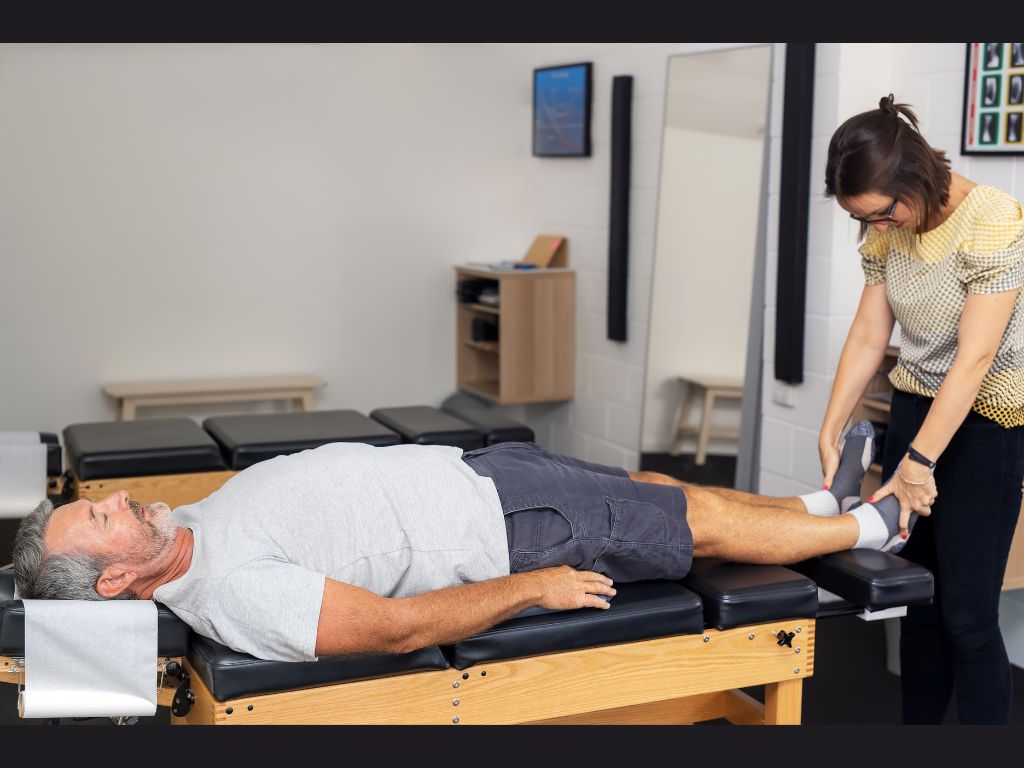
As the vibrant colors of spring and summer arrive in British Columbia, many of us in Surrey and Langley are eager to head out into the backyard. Gardening is more than just a hobby; it is a meaningful way to connect with nature, find mental clarity, and engage in functional movement. Whether you are tending to your flower beds in Clayton Heights or managing a vegetable garden in Walnut Grove, the physical demands of planting, weeding, and pruning are significant. While we often focus on the health of our plants, it is equally important to focus on the health of the gardener. Spending hours kneeling, squatting, and bending can place unique demands on the body, particularly on the alignment of the hips and knees. By adopting mindful habits, you can enjoy your time in the soil while supporting your physical longevity and comfort. [Click here to Book Your Appointment Now] Why Alignment Matters for the Green Thumb Gardening is a full-body workout that involves repetitive motions and sustained postures. When we are deep in the “zone,” it is easy to forget how we are positioned. However, the relationship between your hips, knees, and nervous system is vital for how you feel both during and after a day in the yard. Proper alignment ensures that your weight is distributed evenly across your joints. When the hips and knees are positioned optimally, it allows for better mobility and reduces the mechanical stress on the body. Furthermore, a well-aligned body supports a clear connection between the brain and the physical self, allowing you to move with greater awareness and ease. 1. The Art of the Kneel: Protecting Your Lower Body One of the most common positions in gardening is kneeling. While this brings you closer to your work, it can create pressure points and limit circulation if done incorrectly. To support your hips and knees: Use a high-quality kneeling pad: A thick, closed-cell foam pad provides a soft interface between your joints and the hard ground. Alternate your lead leg: If you prefer half-kneeling (one knee down, one foot flat), switch sides every five to ten minutes. This prevents one side of the hip complex from becoming over-stressed. Keep your hips square: Avoid twisting your torso while your knees are planted. Instead, move your whole body to face the task at hand. 2. Master the Hip Hinge Bending over is inevitable when reaching for a stray weed or planting a new row of seeds. Many people tend to bend from the waist, which can create a rounded posture that impacts the lower back and limits the range of motion in the hips. The “hip hinge” is a foundational movement that protects your alignment. To do this, imagine pushing your hips back toward an invisible wall behind you while keeping your spine long and neutral. This engages the large muscles of the glutes and thighs, taking the pressure off smaller joints. Practicing this movement helps maintain better posture and supports the natural curves of the spine. 3. Diversify Your Movement The body thrives on variety, yet gardening often involves “static loading”—staying in one position for a long duration. This can lead to stiffness and a feeling of being “stuck” when you finally stand up. Set a timer on your phone or watch for every twenty minutes. When it goes off: Stand up and take a short walk around your lawn. Gently swing your legs to encourage hip mobility. Reach toward the sky to reset your posture. Perform a few slow, mindful breaths to settle your nervous system. By breaking up the repetitive nature of gardening, you allow your tissues to recover and maintain better functional awareness throughout the day. 4. Ergonomic Tool Selection The tools you choose can significantly influence how your body moves. Using tools that are too short often forces you into a deep squat or a hunched position, which can impact hip alignment. Whenever possible, choose long-handled tools for weeding and cultivating. These allow you to stand upright or work from a comfortable, tall-kneeling position. If you are using hand tools, look for ergonomic grips that allow your wrist and forearm to remain in a neutral line. When your extremities are supported by the right equipment, it reduces the compensatory movements that your hips and knees often have to make to keep you balanced. 5. Mindful Hydration and Recovery Physical comfort is not just about how you move; it is about how you fuel your body’s ability to function. Dehydration can lead to muscle fatigue, which makes it harder for your body to maintain proper alignment. Keep a water bottle nearby and sip frequently. Once you have finished your gardening for the day, consider a gentle recovery routine. A few minutes of quiet sitting or a warm bath can help transition the body from a state of work to a state of rest. Supporting your nervous system’s ability to relax is a key component of a holistic wellness lifestyle. How Chiropractic Fits In At Foundations Family Chiropractic, we use gentle, neurologically-focused chiropractic techniques to help support overall function and awareness of the body. Many people choose ongoing chiropractic care as part of their wellness lifestyle to stay proactive about their physical health. By focusing on the relationship between the spine and the nervous system, chiropractic care supports the body’s natural ability to adapt to the physical stresses of daily life—including those long, rewarding hours spent in the garden. When your system is functioning optimally, you can move with more confidence and enjoy your favorite outdoor activities. If you’re seeking a chiropractor in Surrey or a chiropractor in Langley, we’d be happy to support you on your wellness journey. Our team is dedicated to helping local families maintain their mobility and vitality through every season. [Click here to Book Your Appointment Now] Follow us on our social media pages: Facebook & Instagram.
Foundations Family Chiropractic: Supporting Neck Mobility and Comfort in Surrey

Modern life places a significant amount of demand on our bodies. Between long hours spent at desks, commuting through the Lower Mainland, and the constant use of handheld devices, our physical alignment is often challenged. Many residents in our community are looking for ways to maintain better posture and support their overall physical function. If you are feeling the effects of a busy lifestyle, prioritizing your spinal health is a proactive step toward long-term wellness. [Click here to Book Your Appointment Now] Understanding the Relationship Between Daily Habits and Neck Comfort The way we move and hold ourselves throughout the day has a direct impact on our nervous system and general well-being. When we consider the repetitive motions of daily life—such as looking down at a phone or sitting in an office chair—it becomes clear why focusing on neck mobility is a priority for many families. At Foundations Family Chiropractic, we focus on helping you understand how your body functions. By supporting the relationship between the spine and the nervous system, we aim to help you navigate your daily activities with greater ease and awareness. 5 Questions About Enhancing Neck Function and Posture 1. How does posture affect my daily energy and comfort? Your posture is the foundation of how your body interacts with the world. When the spine is properly aligned, the body can distribute weight more efficiently, which reduces the effort required to stay upright. Improved posture often leads to a greater sense of ease during the workday. Many individuals visiting a chiropractor in Surrey find that becoming more mindful of their alignment helps them feel more balanced as they move through their routine. 2. What are some simple ways to support neck mobility at home? Maintaining mobility does not always require a strenuous workout. Simple, gentle movements can make a significant difference. We often recommend “micro-breaks” throughout the day. Every 30 minutes, take a moment to gently roll your shoulders back and tuck your chin slightly to reset your alignment. This helps counteract the “forward head posture” that commonly occurs when we are focused on computer screens or driving. 3. Can gentle chiropractic techniques help with my wellness goals? Many people are curious about the methods used in a modern chiropractic setting. At our clinic, we utilize gentle, neurologically-focused chiropractic techniques, such as Torque Release Technique. These approaches are designed to provide subtle, precise inputs to the body, encouraging the nervous system to adapt and find its own sense of balance. This is a non-invasive way to support your body’s natural ability to function at its best. 4. Is it important to seek care even if I feel fine? Wellness is a proactive journey rather than a reactive one. Just as many people choose to visit a dentist for regular checkups or a mechanic for vehicle maintenance, many families choose ongoing chiropractic care as part of their wellness lifestyle. Regular visits can help identify areas where posture may be shifting or where mobility could be improved before these patterns become deeply ingrained habits. 5. How does the nervous system play a role in physical comfort? The nervous system is the communication highway of the body. It sends signals from the brain to every muscle and organ. When the spine is well-supported and mobile, it allows for a clearer environment for these signals to travel. By focusing on spinal health, we are essentially supporting the body’s communication system, which is vital for overall physical function and adaptability to stress. Practical Tips for Better Neck Ergonomics Incorporating small changes into your environment can lead to significant improvements in how your neck and shoulders feel at the end of the day. Consider these actionable steps: Eye-Level Screens: Whether using a laptop or a mobile device, try to bring the screen up to your eye level rather than tilting your head down. Supportive Seating: Use a chair that supports the natural curve of your lower back, which in turn helps stabilize your upper back and neck. Stay Hydrated: Spinal discs require hydration to maintain their cushioning properties and flexibility. Mindful Movement: Incorporate gentle stretching or yoga into your weekly routine to promote flexibility and body awareness. How Chiropractic Fits Into Your Lifestyle At Foundations Family Chiropractic, we use gentle, neurologically-focused chiropractic techniques to help support overall function and awareness of the body. We believe that everyone deserves to move through life with a body that feels supported and a nervous system that is resilient. Whether you are navigating the stresses of a professional career or managing a busy household in Clayton Heights or Walnut Grove, your physical health is your greatest asset. Many people choose ongoing chiropractic care as part of their wellness lifestyle to stay ahead of the curve and maintain their mobility. Start Your Wellness Journey Today Stop living with discomfort that holds you back from your favorite activities. Our team in Surrey and Langley is here to help you return to your best self through dedicated, gentle care. If you’re seeking a chiropractor in Surrey or a chiropractor in Langley, we’d be happy to support you on your wellness journey. Our clinics are designed to be a space where your family can focus on health and proactive function. [Click here to Book Your Appointment Now] Get in touch with us through our social media pages: Facebook & Instagram.
Foundations Family Chiropractic: 5 Common Questions About Sleep and Your Nervous System

Sleep is one of the most fundamental pillars of a healthy lifestyle, yet for many busy individuals in our community, achieving a truly restful night can feel like a constant challenge. We often focus on external factors like mattresses or room temperature, but we sometimes overlook the internal environment of the body and how it transitions from the high energy of the day to the quiet recovery of the night. [Click here to Book Your Appointment Now]! The relationship between your physical alignment and your ability to wind down is deeply connected to how your nervous system processes daily life. When we consider the demands placed on families today, from long commutes in Surrey to the busy pace of life in Langley, it is no wonder that many people find it difficult to “turn off” once their head hits the pillow. 1. Why does my body feel like it is still “on” when I try to sleep? The transition to sleep is not like flipping a light switch; it is more like an airplane gradually descending toward a runway. Your body relies on a sophisticated internal communication network—the nervous system—to signal that the day’s work is done. When your system is functioning optimally, it can move fluidly between a state of “go” and a state of “rest.” However, the physical and mental demands of modern life can sometimes leave the body feeling as though it is stuck in a high-output mode. This state of constant readiness makes it difficult for the physical frame to relax. By focusing on how we support our physical structure throughout the day, we can create a more hospitable environment for natural, restorative sleep. 2. How does posture during the day affect my rest at night? Your spine serves as the protective housing for your nervous system. Throughout the day, our postures often reflect our stress levels. Whether you are hunched over a computer at a desk in Langley or sitting for extended periods during a commute in Surrey, these repetitive physical patterns can create a sense of tension that the body carries well into the evening. When the body is held in a position of tension, it sends constant feedback to the brain that it is still “on duty.” This creates a feedback loop where physical tightness contributes to a restless mind, and a restless mind prevents the muscles from fully letting go. Breaking this cycle involves bringing awareness back to the body and ensuring that our physical alignment is supporting, rather than hindering, our ability to relax. 3. What are some simple habits to help my nervous system wind down? Creating a lifestyle that supports great sleep involves more than just a bedtime routine; it involves how you treat your body during the waking hours. Here are several actionable strategies to help your nervous system prepare for rest: Mindful Movement Breaks: If you spend your day at a desk, make a point to change your physical state every 30 minutes. Gentle reaches toward the ceiling or simple shoulder rolls can help prevent the body from “setting” into a rigid, stressed posture. The Golden Hour: Aim to dim the lights in your home at least one hour before bed. This environmental cue helps signal to your brain that the day is ending. Supportive Sleep Positions: Ensure your neck and spine are in a neutral position while you sleep. If you sleep on your side, placing a small pillow between your knees can help keep your hips aligned. Rhythmic Breathing: Before closing your eyes, spend five minutes focusing on slow, diaphragmatic breathing. This physical act encourages the body to shift away from a “fight or flight” response and toward a state of calm. 4. How does gentle chiropractic care support a sleep-friendly lifestyle? At Foundations Family Chiropractic, we use gentle, neurologically-focused chiropractic techniques to help support overall function and awareness of the body. Many people choose ongoing chiropractic care as part of their wellness lifestyle to help maintain balance in their daily lives. By prioritizing the health of the spine and the nervous system, individuals often find they have a greater capacity to handle the stresses of the day. This naturally leads to a more easeful transition into sleep at night. Rather than focusing on a specific symptom, our goal at our clinic in Clayton Heights is to support your body’s inherent ability to regulate and balance itself using approaches like the Torque Release Technique. 5. What role does environment play for families in Langley and Surrey? Living in a growing, vibrant area means we are often on the move. Whether you are navigating the heights of Clayton or the neighborhoods of Walnut Grove, your body is constantly adapting to your environment. Taking the time to care for your physical alignment is an investment in your long-term quality of life. When your body feels balanced and your nervous system is supported, every other aspect of your health—from your energy levels to your mood—can flourish. How Chiropractic Fits In At FFC, we use gentle, neurologically-focused chiropractic techniques to help support overall function and awareness of the body. Many people choose ongoing chiropractic care as part of their wellness lifestyle. If you’re looking to learn more about gentle, neurologically-focused chiropractic care, our team at Foundations Family Chiropractic is here to answer your questions. Stop living with daily tension. Our team in Surrey and Langley is here to help you return to your best self. [Click here to Book Your Appointment Now]! If you’re seeking a chiropractor in Surrey or a chiropractor in Langley, we’d be happy to support you on your wellness journey. Follow us through our social media pages: Facebook & Instagram.
Foundations Family Chiropractic: Supporting Comfort During Active Childhood Years

Watching children grow and explore the world is a remarkable experience for any parent. From the first steps to organized sports and playground adventures, childhood is defined by constant movement and rapid physical development. As children navigate these active years, their bodies undergo significant transitions. It is common for parents to notice their children experiencing periods of physical awareness or discomfort, often colloquially referred to as growing pains. Understanding the difference between the natural process of maturation and the mechanical stress that comes with an active lifestyle is an important part of supporting a child’s overall well-being. By focusing on posture, movement patterns, and nervous system support, families can help their children maintain a high quality of life and physical ease during these foundational years. [Click here to Book Your Appointment Now] Understanding the Physical Demands on Growing Bodies Growth is not always a perfectly linear or symmetrical process. At various stages, bones may grow at a different rate than the surrounding muscles and tendons. This can create a temporary sense of tension or pulling as the soft tissues adapt to a lengthening frame. While this is a normal part of human development, the modern lifestyle of a child also introduces various forms of mechanical stress that can impact how they feel. Mechanical stress refers to the physical load placed on the body through daily activities. For a child in Surrey or Langley, this might include carrying a heavy backpack, spending time looking down at digital devices, or participating in repetitive motions during sports like soccer, gymnastics, or hockey. These activities, while beneficial for social and physical skill-building, require the body to constantly adapt to external pressures. The Role of Physical Awareness Helping children develop a sense of “body awareness” is a valuable gift. When a child can identify when their body feels tense or when their posture feels “off,” they are better equipped to make small adjustments that support their long-term comfort. Rather than viewing discomfort as something to simply endure, it can be seen as a signal from the body to prioritize rest, stretching, or a professional wellness check-in. Supporting Your Child’s Physical Foundation Supporting a child’s physical development goes beyond just monitoring their height. It involves looking at the habits that influence their daily comfort. Here are several ways parents can support their children’s physical function and help them navigate the stresses of an active life. 1. Prioritize Ergonomic Habits Many children spend a significant portion of their day sitting at desks or using tablets. Encouraging “eye-level” viewing for devices can significantly reduce the mechanical load on the upper body. Additionally, ensure that school backpacks are worn using both straps and are not overloaded, as uneven weight distribution can influence how a child holds their body during the walk to school. 2. Encourage Varied Movement Specialization in a single sport at a very young age can sometimes lead to repetitive stress on specific areas of the body. Encouraging “free play” or a variety of different physical activities allows children to develop a broader range of motor skills and ensures that different muscle groups are being engaged. This variety helps the body stay resilient and adaptable. 3. Focus on Quality Rest and Hydration The body does its most significant restorative work during sleep. For a growing child, consistent sleep hygiene is essential for the nervous system to process the day’s activities. Similarly, proper hydration keeps the soft tissues of the body supple. Muscles that are well-hydrated are generally more resilient to the stresses of a busy playground schedule. 4. Gentle Stretching and Mobility Introducing simple, fun stretching routines into a family’s evening can be a great way to release the tension accumulated throughout the day. Focus on gentle movements that promote flexibility in the legs and back. This not only supports physical mobility but also serves as a calming transition toward bedtime, supporting the nervous system’s shift into a relaxed state. The Value of Body Connection and Wellness In our busy communities in Surrey and Langley, families are often looking for holistic ways to support their children’s health. A major component of wellness is ensuring that the body is communicating effectively with itself. The nervous system acts as the primary communication highway, and when the body is in a state of ease, it can better coordinate the many complex processes of growth and movement. By fostering an environment that values proactive physical care, parents help their children build a strong foundation. This approach is not about waiting for a problem to arise, but rather about providing the body with the tools it needs to thrive during every leap, jump, and growth spurt. How Chiropractic Fits Into Your Family’s Lifestyle At Foundations Family Chiropractic, we use gentle, neurologically-focused chiropractic techniques to help support overall function and awareness of the body. Many families choose ongoing chiropractic care as part of their wellness lifestyle, recognizing that a well-supported nervous system is key to navigating the physical demands of childhood. Our approach is non-invasive and tailored to the unique needs of each individual, regardless of their age. By focusing on the relationship between the spine and the nervous system, we aim to help the body maintain its natural ability to adapt to daily stressors. Whether your child is an aspiring athlete or simply loves to play, supporting their physical alignment and nervous system function can be a proactive step in their wellness journey. If you are seeking a chiropractor in Surrey or a chiropractor in Langley, we would be happy to support your family on your wellness journey. Our team is dedicated to providing a warm, professional environment where you can learn more about the benefits of gentle, neurologically-focused care for all stages of life. [Click here to Book Your Appointment Now]! Get in touch with us through our social media pages: Facebook & Instagram.
Foundations Family Chiropractic: 5 Common Questions About Supporting Family Wellness in Langley

The journey of parenthood is filled with milestones, transitions, and a constant desire to provide the best possible environment for a growing child. From the first few weeks at home to the busy years of school and sports, parents are often looking for natural ways to support their child’s development and overall physical function. Creating a foundation for health starts with understanding how the body interacts with its environment and how we can support those natural processes through every stage of growth. If you are looking for a chiropractor in Langley or a chiropractor in Surrey to join your family’s wellness team, you likely have questions about how gentle, neurologically-focused care fits into a healthy lifestyle for children. [Click here to Book Your Appointment Now] Why Wellness Habits Matter for Growing Bodies Children are constantly adapting. Their bodies are navigating the physical demands of learning to crawl, walk, and run, as well as the modern challenges of prolonged sitting and screen time. These daily activities influence how a child carries themselves and how their nervous system processes the world around it. The nervous system is the command center of the body. By focusing on the relationship between the spine and the nervous system, families can prioritize a proactive approach to well-being. Rather than waiting for a specific concern to arise, many parents choose to incorporate wellness habits that promote better body awareness and mobility from an early age. Understanding the Role of Gentle Chiropractic Care When we discuss pediatric wellness in our clinic, the focus is always on the integrity of the nervous system and the ease of movement. Here are four of the most common questions parents ask when exploring this path for their children. 1. How does chiropractic care support a child’s development? Chiropractic care for children is centered on supporting the body’s natural ability to function at its best. By ensuring that the spine is moving well and the nervous system is free from unnecessary stress, we help children navigate their physical milestones with greater ease. This isn’t about addressing a specific ailment, but rather about optimizing the body’s internal communication so the child can grow and adapt to their environment effectively. 2. What does a pediatric session look like? Many parents are surprised to learn that techniques used for children are significantly different from those used for adults. At Foundations Family Chiropractic, we use very gentle, light-touch methods. For infants, the pressure used during an assessment or adjustment is often no more than the pressure you would use to check the ripeness of a tomato. The goal is to provide a gentle stimulus to the nervous system to encourage better alignment and function. 3. Why would a child need to see a chiropractor if they aren’t in pain? In our culture, we often associate healthcare with pain management. However, wellness-based chiropractic care is a proactive strategy. Children may not always have the vocabulary to describe how their body feels, but they are constantly experiencing physical stressors—from birth or even from the way they sleep or carry a backpack. Regular check-ins allow us to monitor posture and spinal mobility, supporting the child’s body before small imbalances become ingrained patterns. 4. How often should children have their alignment checked? Every child is unique, and the frequency of visits depends on the family’s specific wellness goals and the child’s daily activity levels. Some families choose to visit during major developmental shifts, such as when a child starts walking or begins a new school year, while others prefer a consistent monthly rhythm to maintain optimal nervous system support. Supporting Your Child at Home: Actionable Wellness Tips Beyond professional care, there are many ways parents can support their child’s physical function and nervous system health in daily life. Prioritize Varied Movement: Encourage “free play” that involves different types of movement—climbing, rolling, and reaching. This helps develop proprioception, which is the body’s ability to sense its position in space. Mindful Tech Use: If your child uses a tablet or computer, ensure the screen is at eye level to prevent “tech neck.” Encourage a break every 20 minutes to stretch and look away from the screen. Focus on Sleep Ergonomics: A supportive mattress and a pillow that keeps the neck in a neutral position are essential. For infants, ensuring plenty of supervised “tummy time” during waking hours is vital for developing the natural curves of the spine. Hydration and Nutrition: A well-hydrated body supports the discs between the vertebrae and ensures the nervous system has the nutrients it needs to relay messages efficiently. Model Good Posture: Children often mimic the habits of their parents. By practicing mindful sitting and standing yourself, you set a standard for their own body awareness. How Chiropractic Fits Into a Family Lifestyle At Foundations Family Chiropractic, we use gentle, neurologically-focused chiropractic techniques to help support overall function and awareness of the body. Many people choose ongoing chiropractic care as part of their wellness lifestyle. Our approach is non-invasive and honors the body’s inherent ability to maintain balance. By focusing on the nervous system, we aim to help every member of the family—from the youngest to the oldest—experience life with more ease and better physical mobility. Whether your child is hitting their first milestones or navigating the challenges of adolescence, supporting their spine is a gift that serves them for a lifetime. If you’re seeking a chiropractor in Surrey or a chiropractor in Langley, we’d be happy to support you on your wellness journey. Our team is dedicated to providing a warm, professional environment where your family’s health is our primary focus. [Click here to Book Your Appointment Now]! Follow us through our social media pages: Facebook & Instagram.
Foundations Family Chiropractic: 5 Common Questions About Supporting Better Rest
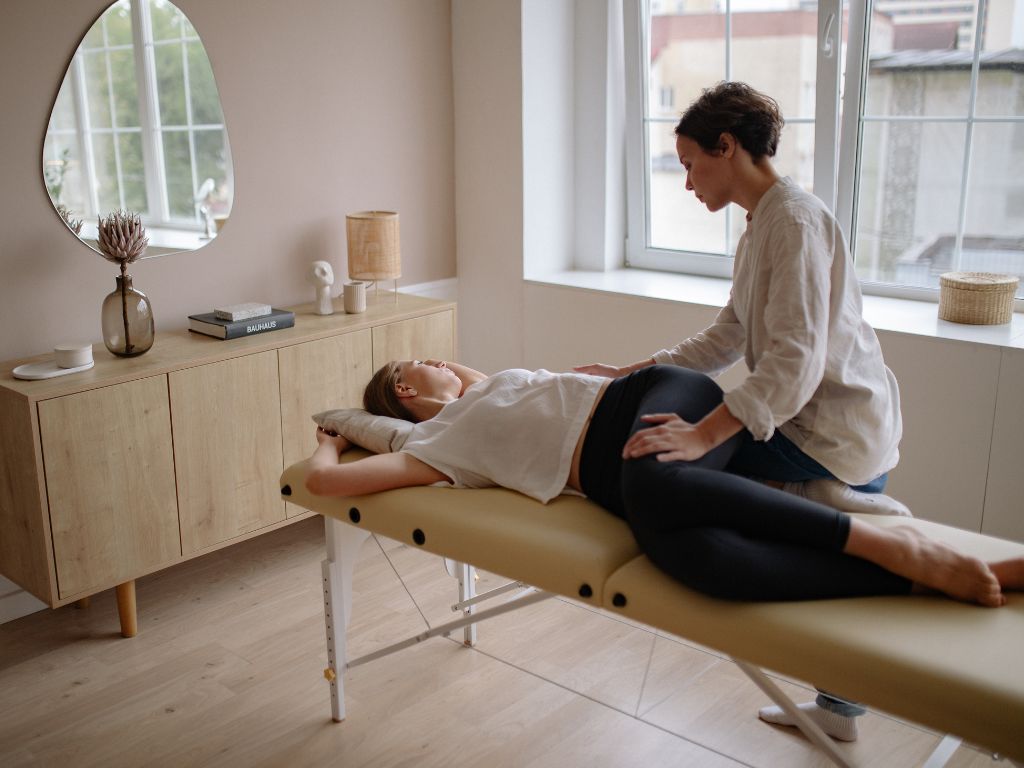
Quality rest is the foundation of a vibrant life, yet many people find themselves tossing and turning long after the lights go out. When the body feels like it is constantly on high alert, the transition into a peaceful night can feel like an uphill battle. At Foundations Family Chiropractic, we focus on how the relationship between your spine and your nervous system influences your ability to wind down and recharge. [Click here to Book Your Appointment Now] Why the Connection Between Your Spine and Rest Matters In our fast-paced communities of Surrey and Langley, daily stressors can accumulate quickly. From long commutes on the Fraser Highway to the demands of a busy work week, our bodies are often stuck in a “fight or flight” state. This state is governed by the sympathetic nervous system, which is designed to keep us alert and protected. However, to achieve deep, restorative sleep, the body must be able to shift into the parasympathetic state, often referred to as the “rest and digest” mode. If the nervous system remains overstimulated, even the most comfortable mattress won’t provide the relief you need. Maintaining proper spinal alignment and nervous system function is a proactive way to help your body recognize when it is time to shift gears from the busyness of the day to the stillness of the night. 1. How does the nervous system impact my ability to wind down? The nervous system acts as the primary communication highway for your entire body. When there is interference or tension within this system, it can create a sense of “internal noise.” Imagine trying to listen to a soft melody while a radio is playing static at full volume; that static is what an overstimulated nervous system feels like. When the spine is properly aligned and the nervous system is functioning without unnecessary tension, the body can more efficiently process the signals that tell it to relax. This isn’t about treating a specific sleep disorder, but rather about creating an internal environment that is conducive to relaxation. By focusing on neurological harmony, we help residents in Clayton Heights and Walnut Grove find a better sense of ease in their daily lives. 2. Can my posture during the day affect my rest at night? Absolutely. The way we carry ourselves during the day directly influences the tension we hold in our bodies at night. Many of us spend hours hunched over computers or phones, a posture that places significant strain on the upper spine and the nerves that exit the neck area. This physical “stuckness” doesn’t simply disappear when you lie down. By addressing posture and spinal mobility during the day, you reduce the physical stress your nervous system has to manage. This allows your muscles to relax more fully when you finally hit the pillow, making it easier for your body to enter the deeper stages of the sleep cycle. 3. What is the role of gentle chiropractic care in a wellness routine? At Foundations Family Chiropractic, we use gentle, neurologically-focused chiropractic techniques, such as Torque Release Technique, to help support overall function and awareness of the body. Unlike traditional methods that may focus on forceful movements, this approach is designed to provide the nervous system with precise input to help it self-regulate. Many people choose ongoing chiropractic care as part of their wellness lifestyle because it helps them stay connected to their body’s needs. When the nervous system is clear, the body is better equipped to manage the transitions between activity and rest. 4. How can I create a sleep-supportive environment at home? Beyond professional care, your daily habits play a massive role in how you feel. We encourage our community members in Surrey and Langley to look at their “sleep hygiene” through the lens of nervous system support. This means minimizing blue light exposure at least an hour before bed, as the brain perceives this light as sunlight, which keeps the nervous system in an active state. Creating a predictable routine tells your nervous system that it is safe to power down. This might include gentle stretching, mindful breathing, or ensuring your bedroom is a cool, dark sanctuary. 5. Is chiropractic care safe for the whole family’s wellness journey? Yes. Because our approach is non-invasive and gentle, it is suitable for individuals at all stages of life who are looking to support their physical function. Whether you are a busy professional in Langley or a parent in Surrey, supporting the spine is a foundational step in maintaining a healthy lifestyle. We focus on the body’s innate ability to find balance when provided with the right support and a clear neurological pathway. Practical Tips for a Calm Nervous System To help your body transition into a state of rest, consider implementing these simple lifestyle shifts: Mindful Movement: Spend five minutes doing gentle, rhythmic stretches before bed to release the day’s physical tension. Consistent Rhythm: Go to bed and wake up at the same time every day to help regulate your body’s internal clock. Tech-Free Zone: Keep phones and tablets out of the bedroom to reduce cognitive stimulation and blue light interference. Focus on Breath: Practice “box breathing” (inhale for 4, hold for 4, exhale for 4, hold for 4) to manually signal to your nervous system that it is time to relax. Ergonomic Awareness: Ensure your pillow supports the natural curve of your neck to minimize spinal strain while you sleep. Stop Living With Tension Stop living with the feeling of being constantly wound up. Our team in Surrey and Langley is here to help you return to your best self by supporting your nervous system and spinal health. [Click here to Book Your Appointment Now]! If you’re seeking a chiropractor in Surrey or a chiropractor in Langley, we’d be happy to support you on your wellness journey. Our clinic is dedicated to helping you understand how a clear nervous system can lead to a more balanced, restful life. Get in touch with us through