As the vibrant colors of spring and summer arrive in British Columbia, many of us in Surrey and Langley are eager to head out into the backyard. Gardening is more than just a hobby; it is a meaningful way to connect with nature, find mental clarity, and engage in functional movement. Whether you are tending to your flower beds in Clayton Heights or managing a vegetable garden in Walnut Grove, the physical demands of planting, weeding, and pruning are significant.
While we often focus on the health of our plants, it is equally important to focus on the health of the gardener. Spending hours kneeling, squatting, and bending can place unique demands on the body, particularly on the alignment of the hips and knees. By adopting mindful habits, you can enjoy your time in the soil while supporting your physical longevity and comfort.
[Click here to Book Your Appointment Now]
Why Alignment Matters for the Green Thumb
Gardening is a full-body workout that involves repetitive motions and sustained postures. When we are deep in the “zone,” it is easy to forget how we are positioned. However, the relationship between your hips, knees, and nervous system is vital for how you feel both during and after a day in the yard.
Proper alignment ensures that your weight is distributed evenly across your joints. When the hips and knees are positioned optimally, it allows for better mobility and reduces the mechanical stress on the body. Furthermore, a well-aligned body supports a clear connection between the brain and the physical self, allowing you to move with greater awareness and ease.
1. The Art of the Kneel: Protecting Your Lower Body
One of the most common positions in gardening is kneeling. While this brings you closer to your work, it can create pressure points and limit circulation if done incorrectly.
To support your hips and knees:
- Use a high-quality kneeling pad: A thick, closed-cell foam pad provides a soft interface between your joints and the hard ground.
- Alternate your lead leg: If you prefer half-kneeling (one knee down, one foot flat), switch sides every five to ten minutes. This prevents one side of the hip complex from becoming over-stressed.
- Keep your hips square: Avoid twisting your torso while your knees are planted. Instead, move your whole body to face the task at hand.
2. Master the Hip Hinge
Bending over is inevitable when reaching for a stray weed or planting a new row of seeds. Many people tend to bend from the waist, which can create a rounded posture that impacts the lower back and limits the range of motion in the hips.
The “hip hinge” is a foundational movement that protects your alignment. To do this, imagine pushing your hips back toward an invisible wall behind you while keeping your spine long and neutral. This engages the large muscles of the glutes and thighs, taking the pressure off smaller joints. Practicing this movement helps maintain better posture and supports the natural curves of the spine.
3. Diversify Your Movement
The body thrives on variety, yet gardening often involves “static loading”—staying in one position for a long duration. This can lead to stiffness and a feeling of being “stuck” when you finally stand up.
Set a timer on your phone or watch for every twenty minutes. When it goes off:
- Stand up and take a short walk around your lawn.
- Gently swing your legs to encourage hip mobility.
- Reach toward the sky to reset your posture.
- Perform a few slow, mindful breaths to settle your nervous system.
By breaking up the repetitive nature of gardening, you allow your tissues to recover and maintain better functional awareness throughout the day.
4. Ergonomic Tool Selection
The tools you choose can significantly influence how your body moves. Using tools that are too short often forces you into a deep squat or a hunched position, which can impact hip alignment.
Whenever possible, choose long-handled tools for weeding and cultivating. These allow you to stand upright or work from a comfortable, tall-kneeling position. If you are using hand tools, look for ergonomic grips that allow your wrist and forearm to remain in a neutral line. When your extremities are supported by the right equipment, it reduces the compensatory movements that your hips and knees often have to make to keep you balanced.
5. Mindful Hydration and Recovery
Physical comfort is not just about how you move; it is about how you fuel your body’s ability to function. Dehydration can lead to muscle fatigue, which makes it harder for your body to maintain proper alignment.
Keep a water bottle nearby and sip frequently. Once you have finished your gardening for the day, consider a gentle recovery routine. A few minutes of quiet sitting or a warm bath can help transition the body from a state of work to a state of rest. Supporting your nervous system’s ability to relax is a key component of a holistic wellness lifestyle.
How Chiropractic Fits In
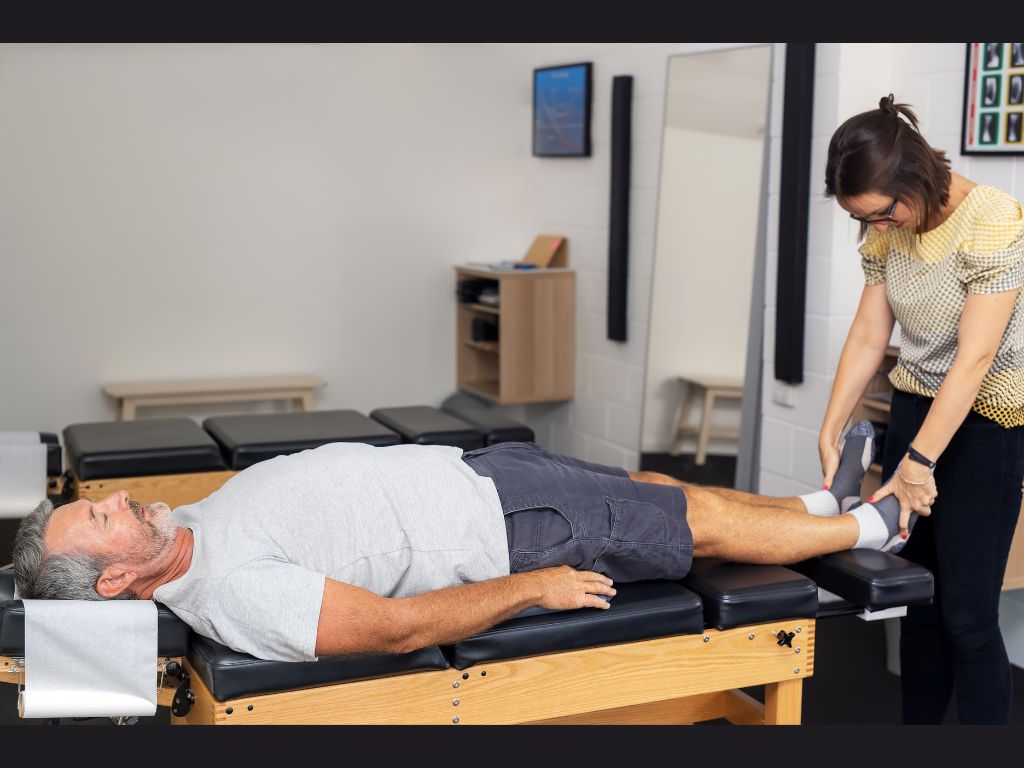
At Foundations Family Chiropractic, we use gentle, neurologically-focused chiropractic techniques to help support overall function and awareness of the body. Many people choose ongoing chiropractic care as part of their wellness lifestyle to stay proactive about their physical health.
By focusing on the relationship between the spine and the nervous system, chiropractic care supports the body’s natural ability to adapt to the physical stresses of daily life—including those long, rewarding hours spent in the garden. When your system is functioning optimally, you can move with more confidence and enjoy your favorite outdoor activities.
If you’re seeking a chiropractor in Surrey or a chiropractor in Langley, we’d be happy to support you on your wellness journey. Our team is dedicated to helping local families maintain their mobility and vitality through every season.